ARDUINO 2: Processing
ARDUINO 1: Input and Output
DIGITAL 2: COUNTING CIRCUIT
ANALOG 2: BUTTONS, SWITCHES, CAPACITORS, TRANSISTORS and INDUCTORS
ANALOG 1: SIGNALS, SUPPLY, SYMBOLS, SCHEMATICS and RESISTORS
10
Feb 16
Feb 16
Click image for details...

Click image for details...

ACES' Frame Player:
Variable Resistors
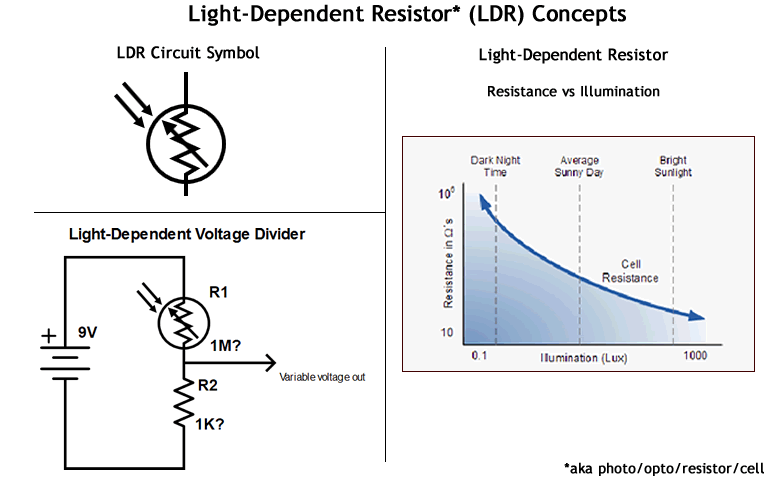
2. LDR: Light-Dependent Resistor
aka Photocell, Photoresistor, Optoresistor
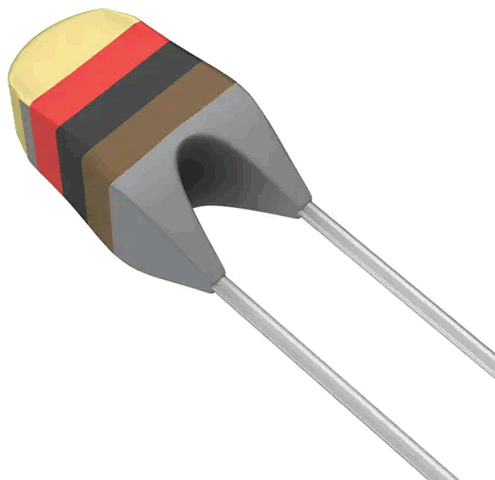
3. Thermistor:
Temp-Dependent Resistor
4. FSR:
Force-Sensitive Resistor
5. Flex Sensor:
Flex-Sensitive Resistor
J. Vretenar's: The Bionic Hand
Variable Resistors
2. LDR: Light-Dependent Resistor
aka Photocell, Photoresistor, Optoresistor
3. Thermistor:
Temp-Dependent Resistor
4. FSR:
Force-Sensitive Resistor
5. Flex Sensor:
Flex-Sensitive Resistor
J. Vretenar's:
The Bionic Hand Power: `P=IV`
Circuit Symbols
(p. 8)
9
Feb 14
Feb 14
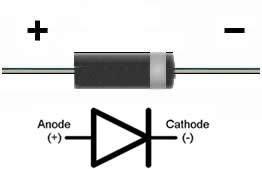
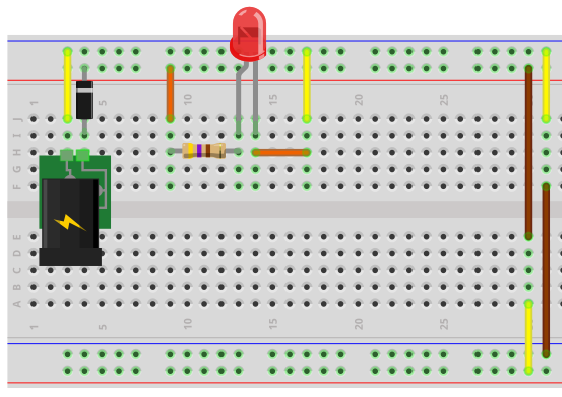
The 1N400n Diode
(for Circuit
Protection)
Interactive Circuits :)
Fixed vs Variable Resistors
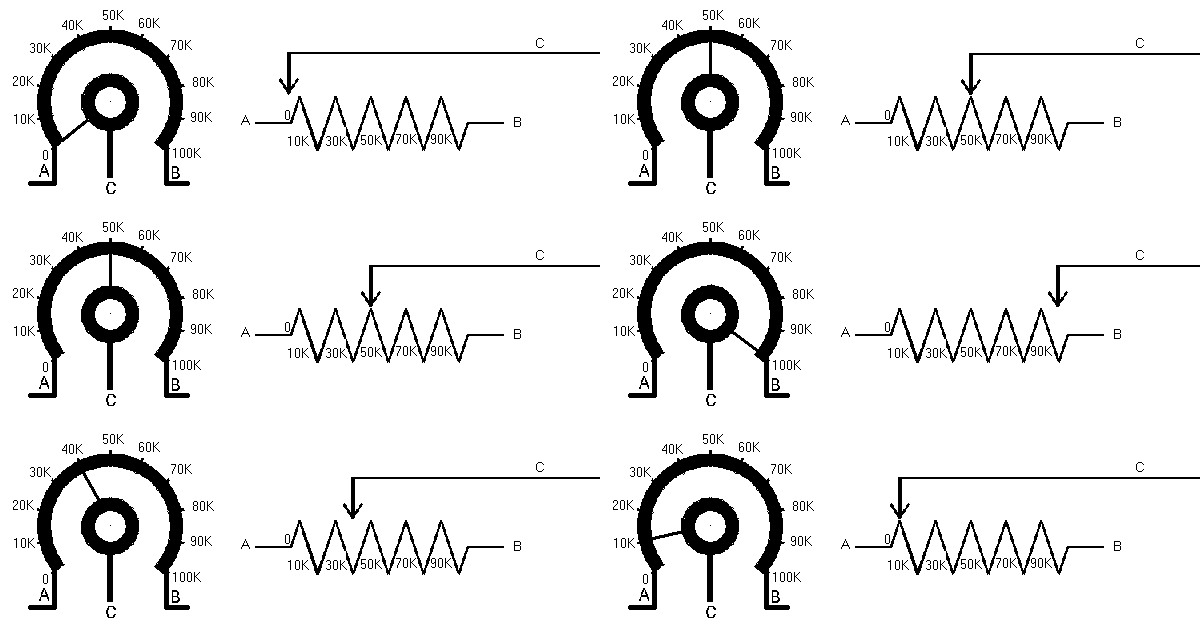
1. The Potentiometer (p. 10)
ACES' Frame Player: Potentiometer

ROYGBV Wire Lengths
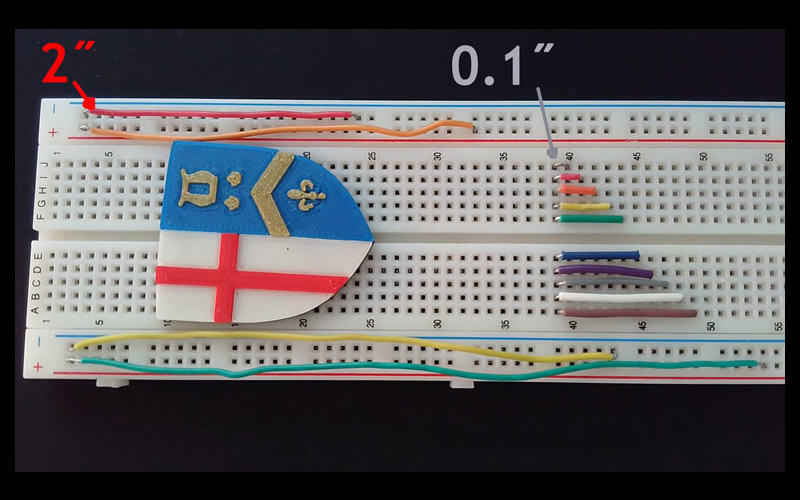
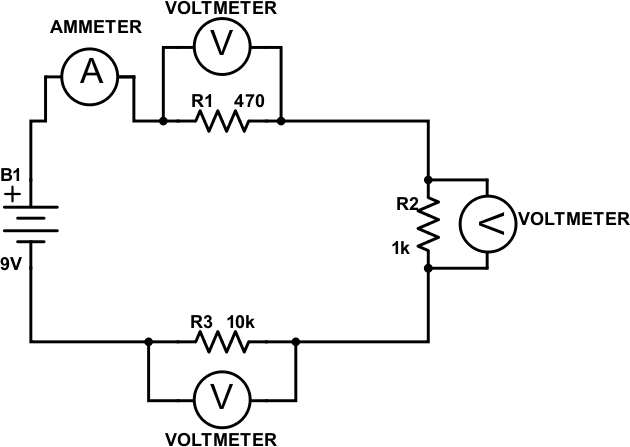
Using Ohm's Law
and Kirchhoff's Laws
to
Analyze Circuits
and Kirchhoff's Laws
to
Analyze Circuits
ACES' Frame Player:
LED Circuits
Using Ohm's Law to determine the
Current (I) in a circuit :
`I=V/R`
Using Ohm's Law to determine the
Current (I) in a circuit :
`I=V/R`
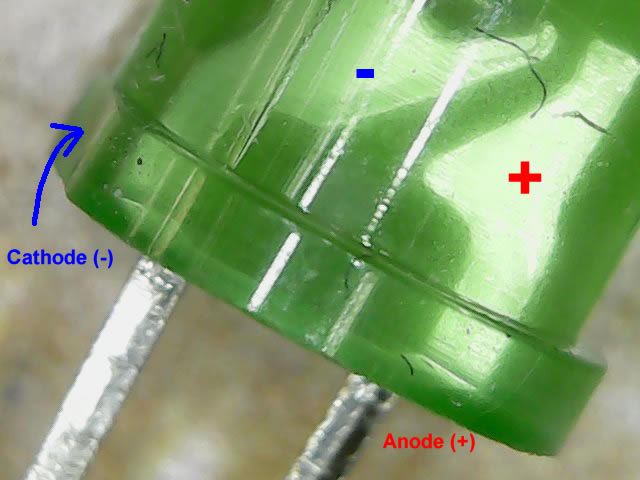
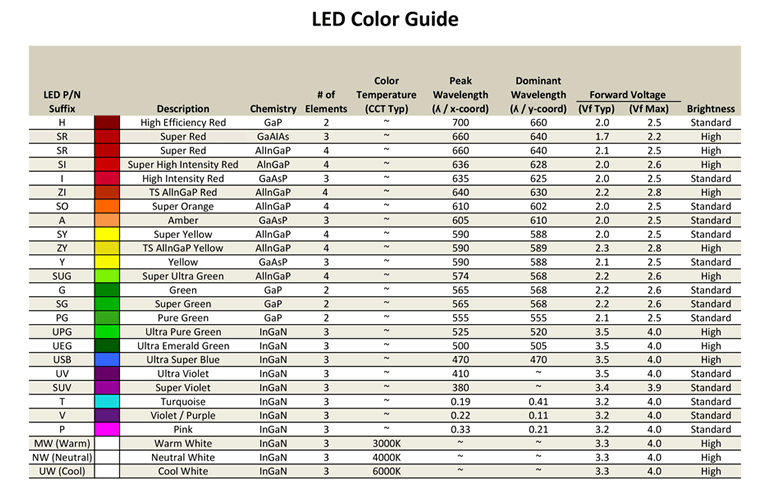
Useful LED Variations:
Bicolor, RGB, rectangular, 3 mm...
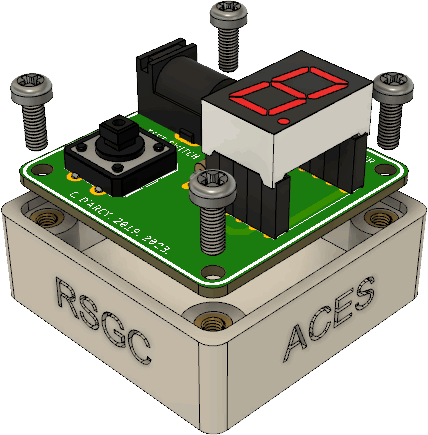
 for 2023/2024...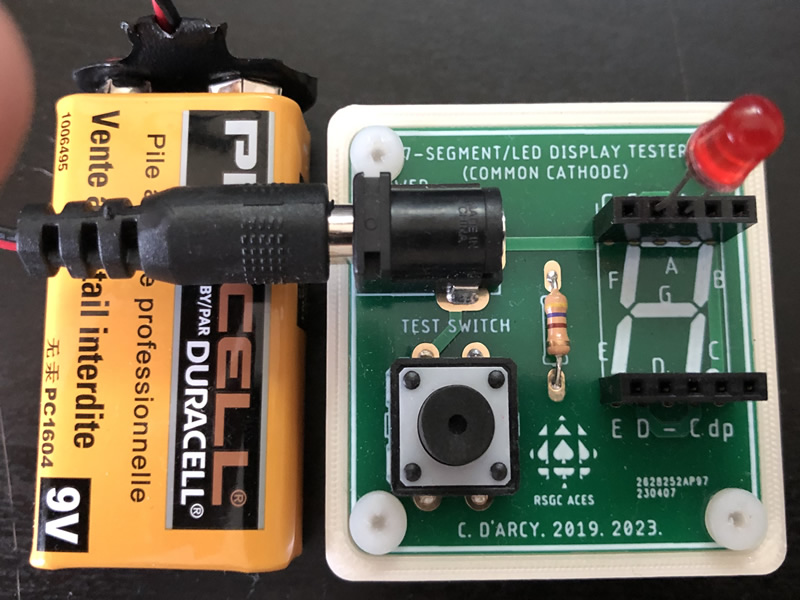


 First look at Circuit Diagrams
(aka Schematics)
Circuit Symbols (p. 8)
Our first circuits...
ACES' Frame Player: Fixed Resistors
Kirchhoff's Voltage Law (KVL) DMM Confirmation of KVL
(Waterfall Model of Voltage Drop)
(in terms of Voltage)
Voltage: `V=IR`
Power: `P=IV`
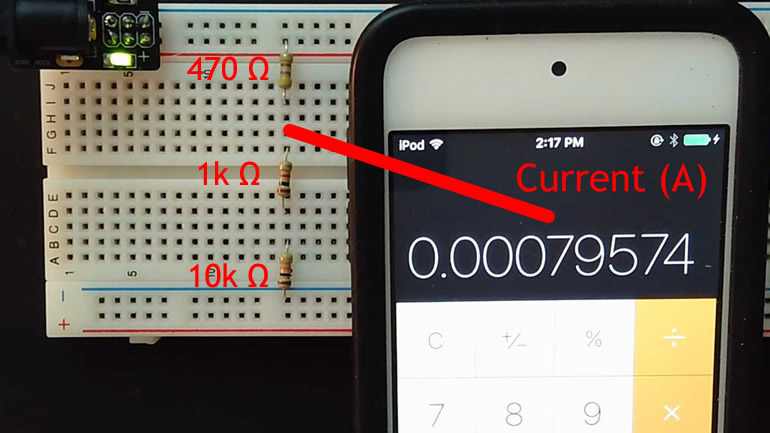
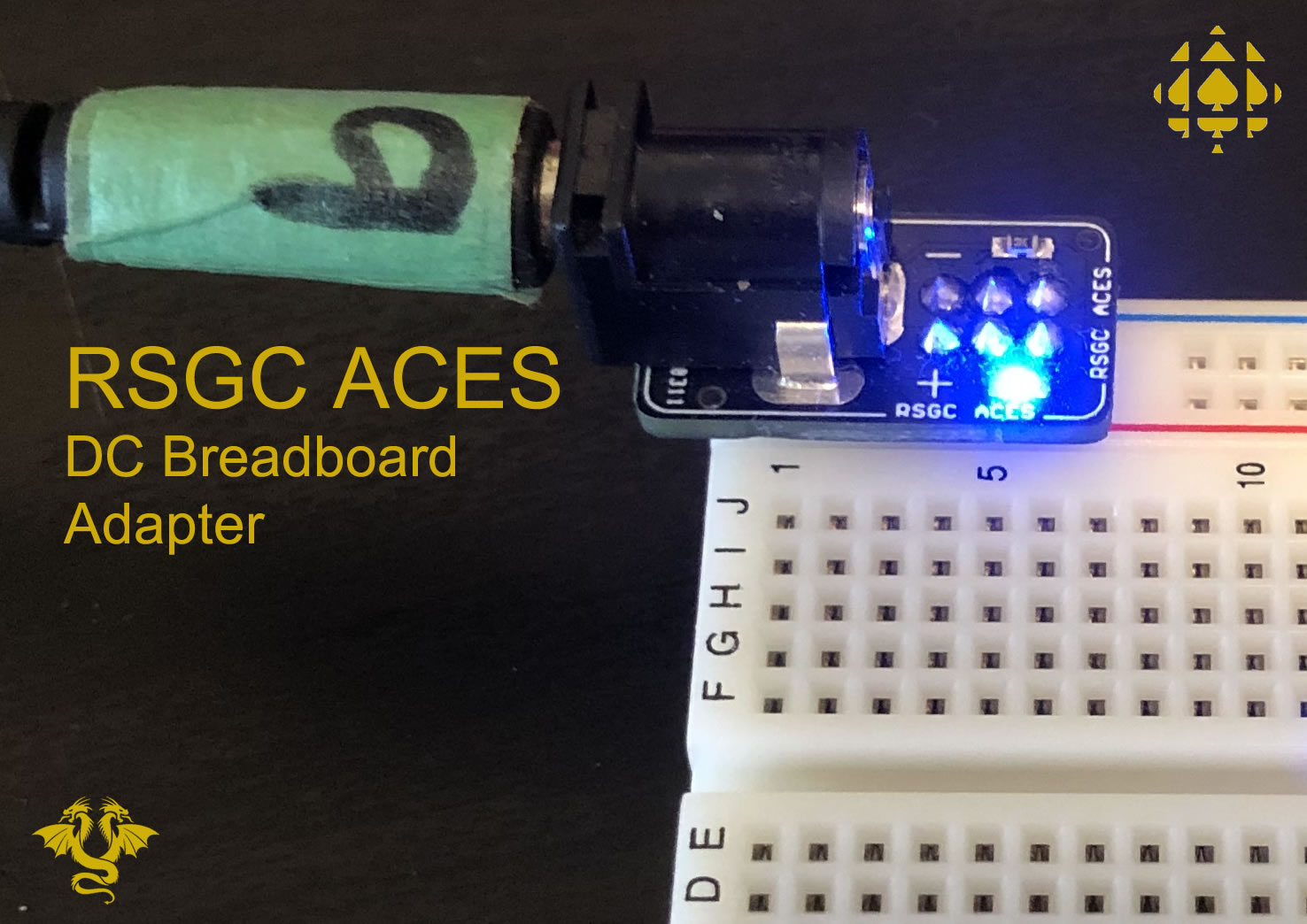

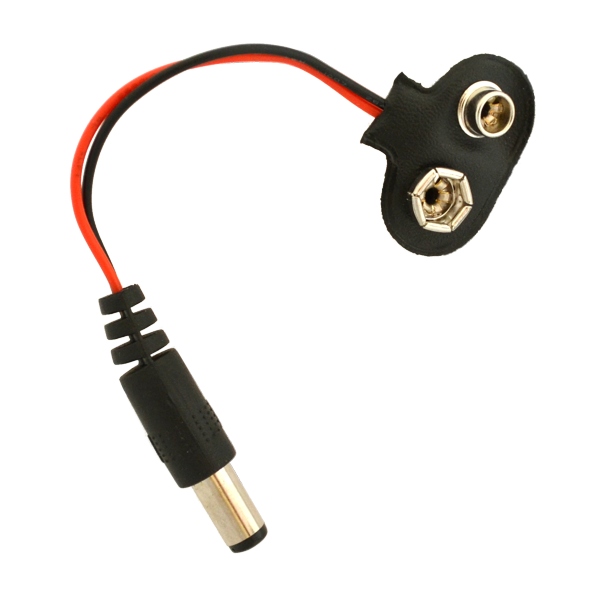

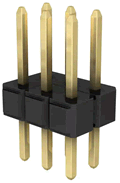
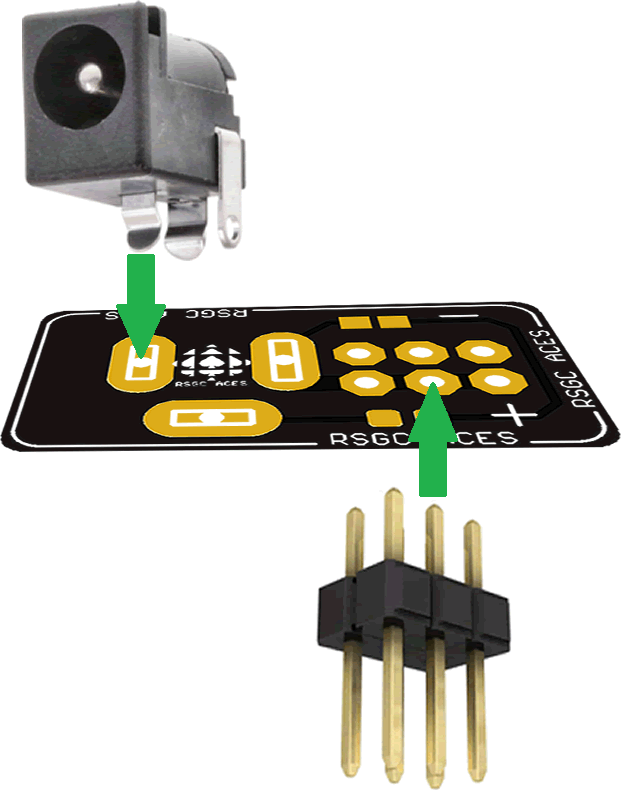

 Watch B. Eater's: Breadboard Tips and Tricks
Memorize the
Watch B. Eater's: Breadboard Tips and Tricks
Memorize theGreek and Phonetic Alphabets
found on Page 78 of your
DC Circuits Workbook
Power Supplies 1
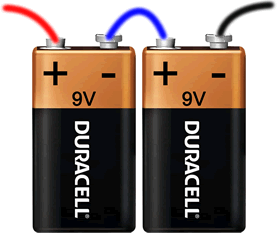
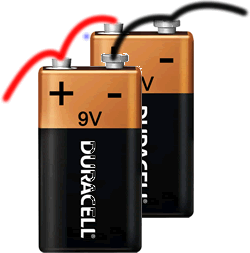
9V Battery Configurations
Example:
RSGC ACES Wien Bridge Oscillator
4
Sep 18
Sep 18
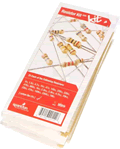
Components:
Passive vs Active
Passive vs Active

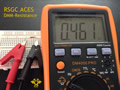
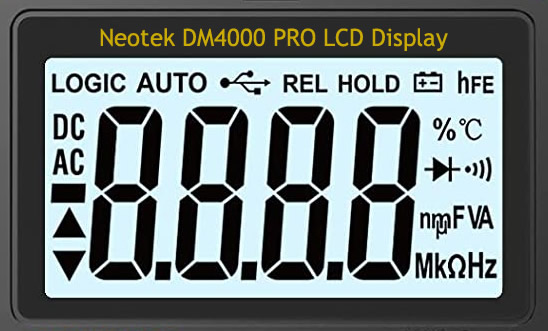
Second DMM Function:
2. Resistance (Ω)
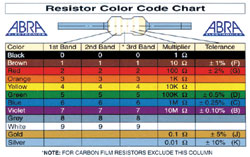
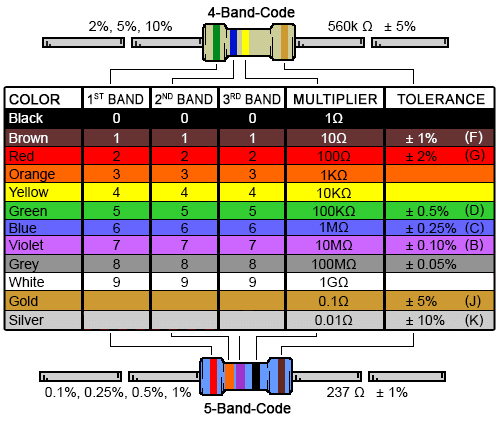
E24 Resistor Series Sizes
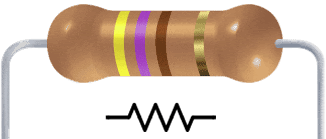
Fixed (Current-Limiting)
Resistor Applet
Our first circuits...
ACES' Frame Player: Fixed Resistors
2. Resistance (Ω)
E24 Resistor Series Sizes
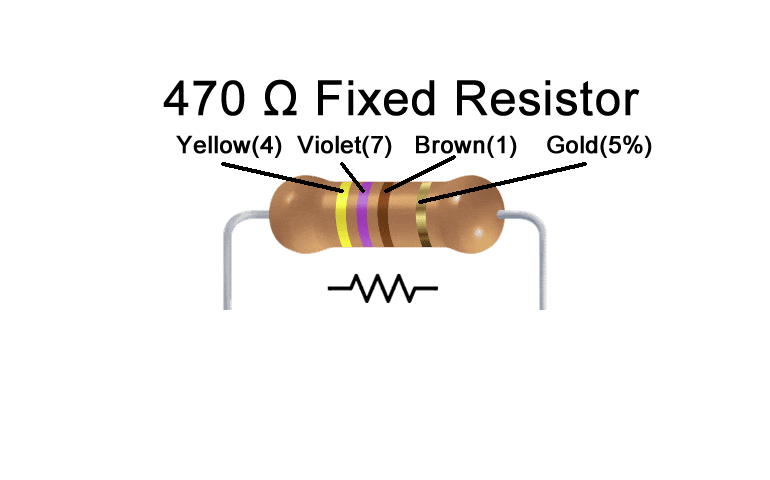
Fixed (Current-Limiting)
Resistor Applet
Our first circuits...
ACES' Frame Player: Fixed Resistors

ResistorCircuitAnalysis
3
Sep 14
Sep 14

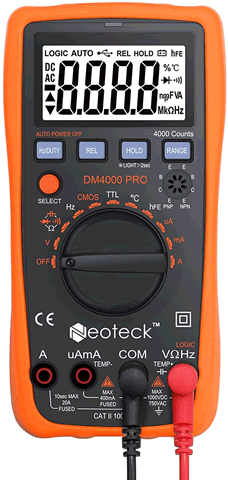

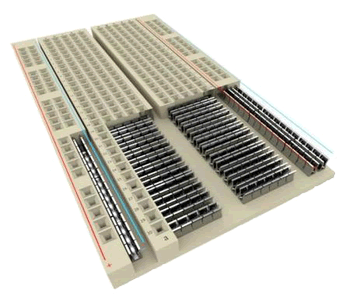
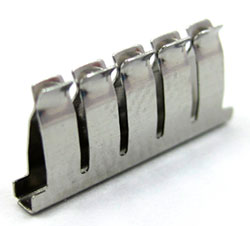
 )
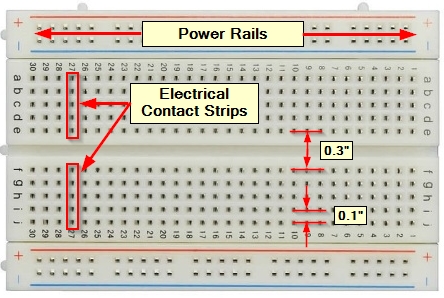
)
2
Sep 12
Sep 12
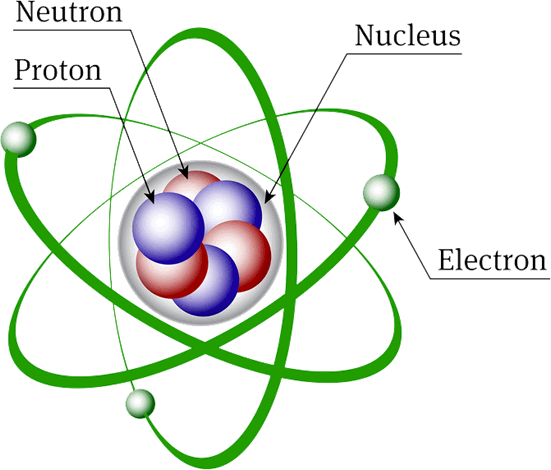
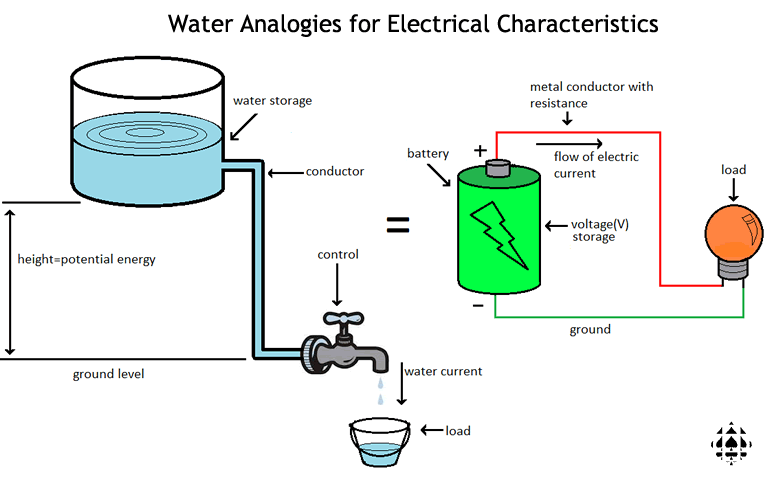
Giants of Electricity p.81
Discussion:
What is Electricity?
The Atom
Water Analogies
Flow Models (Direction):
Electron (Neg →Pos)
(Science)
vs
Conventional (Pos→Neg)
(Electronics)
Discussion:
What is Electricity?
The Atom
Water Analogies
Flow Models (Direction):
Electron (Neg →Pos)
(Science)
vs
Conventional (Pos→Neg)
(Electronics)
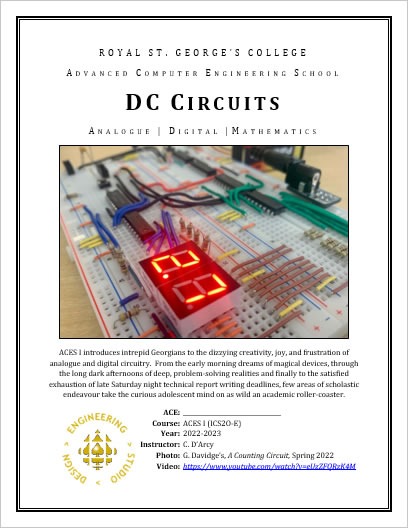
DC Circuits' Cover Video...
H. Lindell's:A Counting Circuit
Foundations: Grade 9 Science...
Voltage
Ohm's Law (in terms of Voltage):
`V=IxxR`
Current
Ohm's Law (in terms of Current):
`I=V/R`
Your Future: EVs and Batteries
H. Lindell's:
A Counting Circuit
Foundations: Grade 9 Science...
VoltageOhm's Law (in terms of Voltage):
`V=IxxR`
CurrentOhm's Law (in terms of Current):
`I=V/R`
Your Future: EVs and Batteries
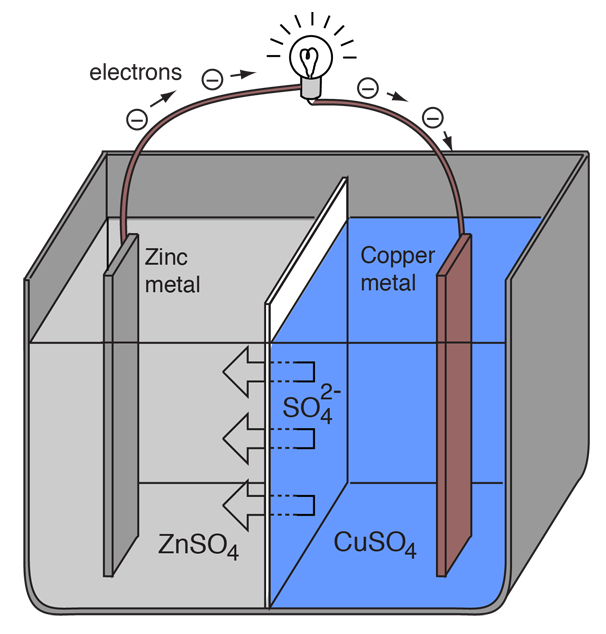
Alkaline Battery Chemistry
1
Sep 8
Sep 8


Distribution of Toolkits
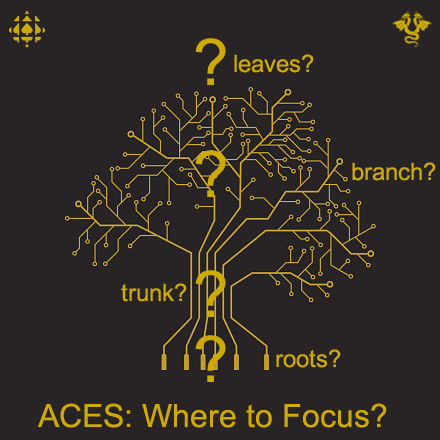
ACES Focus:
Foundations
REPUTATION and RESPECT
RSGC ACES Mission: Taking a
Short, Medium, and Long Term View
of your Futures
ACES Hall of Fame:
X. Chin '22, D. Raymond '19
E. McAuliffe '18, E. Peterson '18
M. Elia '15 (Argon Prototypes)
Foundations
REPUTATION and RESPECT
RSGC ACES Mission: Taking a
Short, Medium, and Long Term View
of your Futures
ACES Hall of Fame:
X. Chin '22, D. Raymond '19
E. McAuliffe '18, E. Peterson '18
M. Elia '15 (Argon Prototypes)